The United Arab Emirates functions as a major international centre for trade, linking food producers from various countries with businesses all over the region. Whether it is supermarkets and wholesalers or restaurants, hotels and catering companies, the food industry relies on organized import and distribution systems to ensure that products remain available.
We at Kenda Trust General Trading realise how important it is to carry out international sourcing, to maintain good relationships with suppliers and to have efficient supply arrangements. The company provides commercial buyers in the UAE with frozen and chilled meats, poultry, seafood, fresh fruits and vegetables as well as dry goods.
1. The place of international food trade in the UAE
International food trade is important for meeting the UAE’s food needs, since many of the essential food products are imported from established international markets.
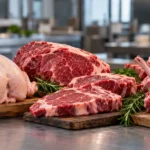
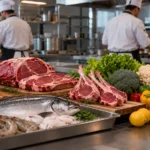
They are frozen chicken, beef, lamb, seafood, fresh vegetables and a range of dry goods that are used by retail and food service businesses.
It gives access to a variety of product categories, specifications, and methods of purchasing.
For those who buy commercially, an understanding of how international food trade functions can assist in making better purchasing decisions and with supply planning.
2. An explanation of how the food supply chain functions
To get to commercial buyers, the food supply chain goes through a number of stages.
The process starts by finding appropriate suppliers and then choosing the products based on the purchasing requirements.
When the products have been confirmed, transportation and shipping arrangements are then put in place according to the kind of goods being imported.
Before products enter the local market, it is necessary to take into account the import documentation, the customs procedures and the relevant food regulations.
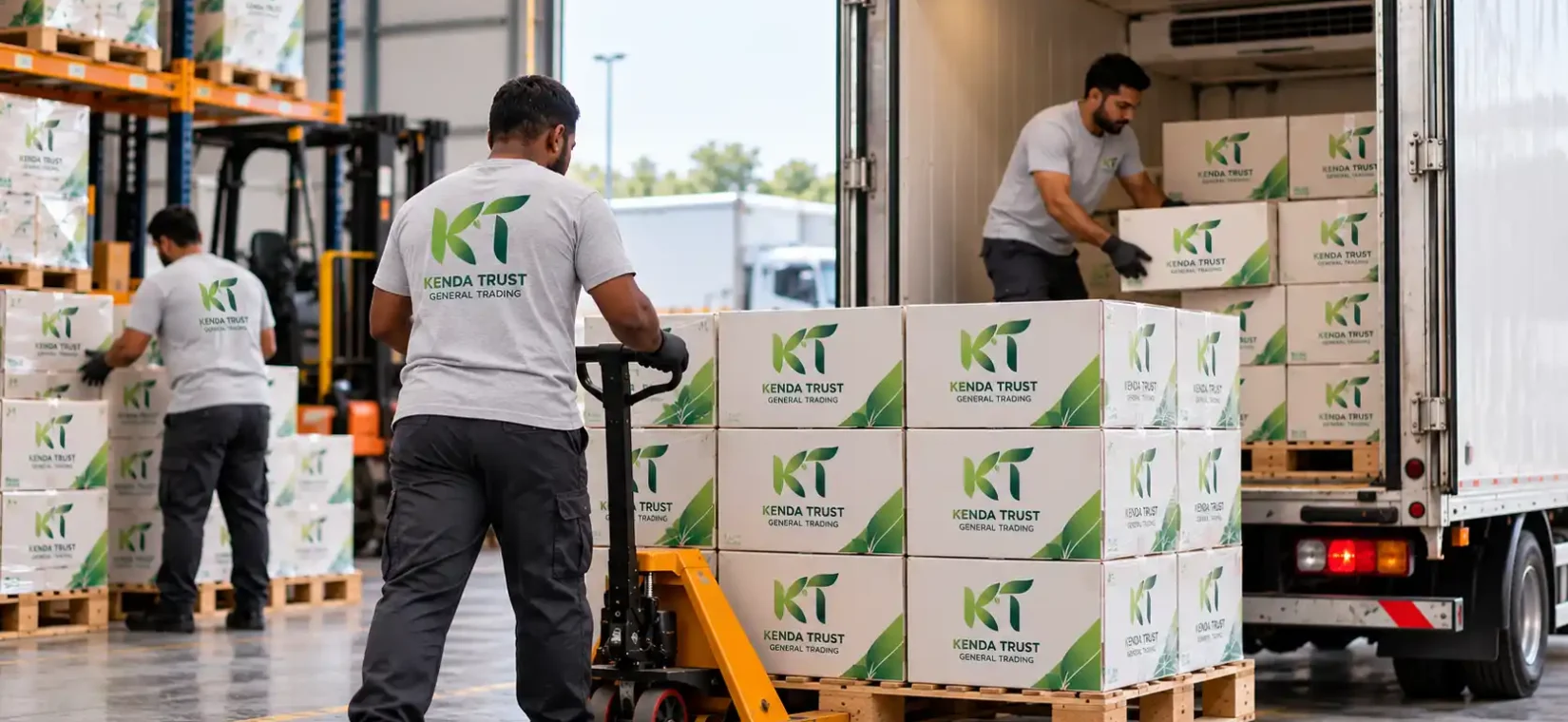
On arrival, the products are stored and distributed in accordance with their particular handling requirements.
Every stage plays a role in keeping the quality of the product and in helping the business run efficiently.
3. Why Import Documentation Is Important
Proper documentation is necessary for food imports in order to meet the relevant regulations.
For different products the documents can include commercial invoices, packing lists, certificates of origin, health certificates and other relevant approvals.
Halal certification would also be necessary for certain meat and poultry products.
Proper documentation enables businesses to handle the process of importing and cuts down on unnecessary delays in the shipment.
Working with seasoned trading partners will enable buyers to grasp the product requirements and arrange their purchasing activities.
4. Storage and handling throughout the supply chain
Various food items need different conditions for storage and transportation.
To preserve the condition of frozen meat, poultry and seafood it is necessary to keep them at the appropriate frozen temperatures.
The way in which fresh fruits and vegetables should be handled and stored depends on the type of produce.
Dry goods need to be kept away from moisture, contamination and inappropriate storage conditions.
It is important to follow the correct handling procedures at all stages of the supply chain if product quality and customer confidence are to be maintained.
5. Planning for Consistent Product Availability
Commercial food businesses need products to be available if they are to carry on with their daily operations.
Supply planning includes taking account of customer demand, the amount to be purchased, the transportation schedules and the inventory requirements.
Businesses which regularly keep an eye on their stock levels will be able to make better purchasing decisions and will be able to anticipate changes in market conditions.
Kenda Trust concentrates on building reliable relationships with its suppliers and on understanding customer requirements in order to achieve effective purchasing arrangements.
6. Meeting Different Business Needs
The food industry in the UAE has businesses that have different purchasing needs.
Wholesale distributors usually ask for either bulk or full-container amounts in order to support their distribution networks.
Retail businesses have a tendency to prefer smaller orders packed in boxes or cartons.
Hotels, restaurants, cafés and catering companies need food products in order to meet the requirements of their menus and operational needs.
The requirements are met by Kenda Trust via its wholesale, retail and HORECA business channels.
What attracts you to choose Kenda Trust for food trading?
Kenda Trust General Trading combines its international sourcing relationships with a varied range of products and flexible purchasing options.
The food items we offer consist of frozen and chilled meat, poultry, seafood, fresh fruits and vegetables, and dry goods.
Our aim is to establish professional business relationships on the basis of quality, consistency, and trust.
Partner with Kenda Trust General Trading
Are you seeking a trading and supply partner in the UAE?
Kenda Trust General Trading are willing to talk about your product requirements and the various purchasing options available.
If you’d like to find out more about our food trading and supply services, contact Kenda Trust General Trading now.